
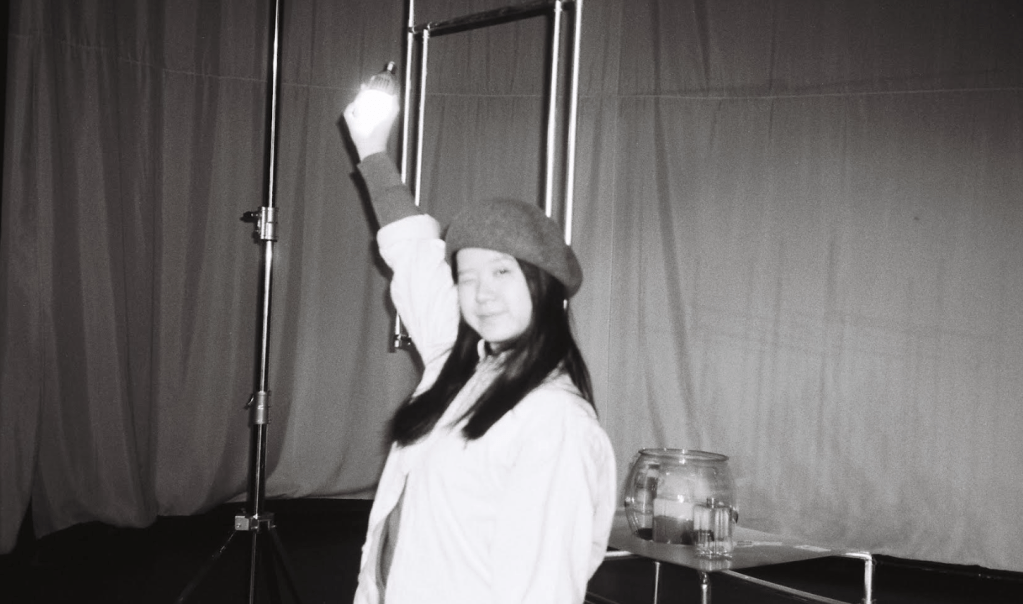
It is August which only means one thing – it is Camden Fringe time! Over the next few weeks we are chatting to acts that are performing at the festival and finding all about their show and what they would call this years iconic Camden Fringe Pigeon! Today we find out about the show Bathroom.
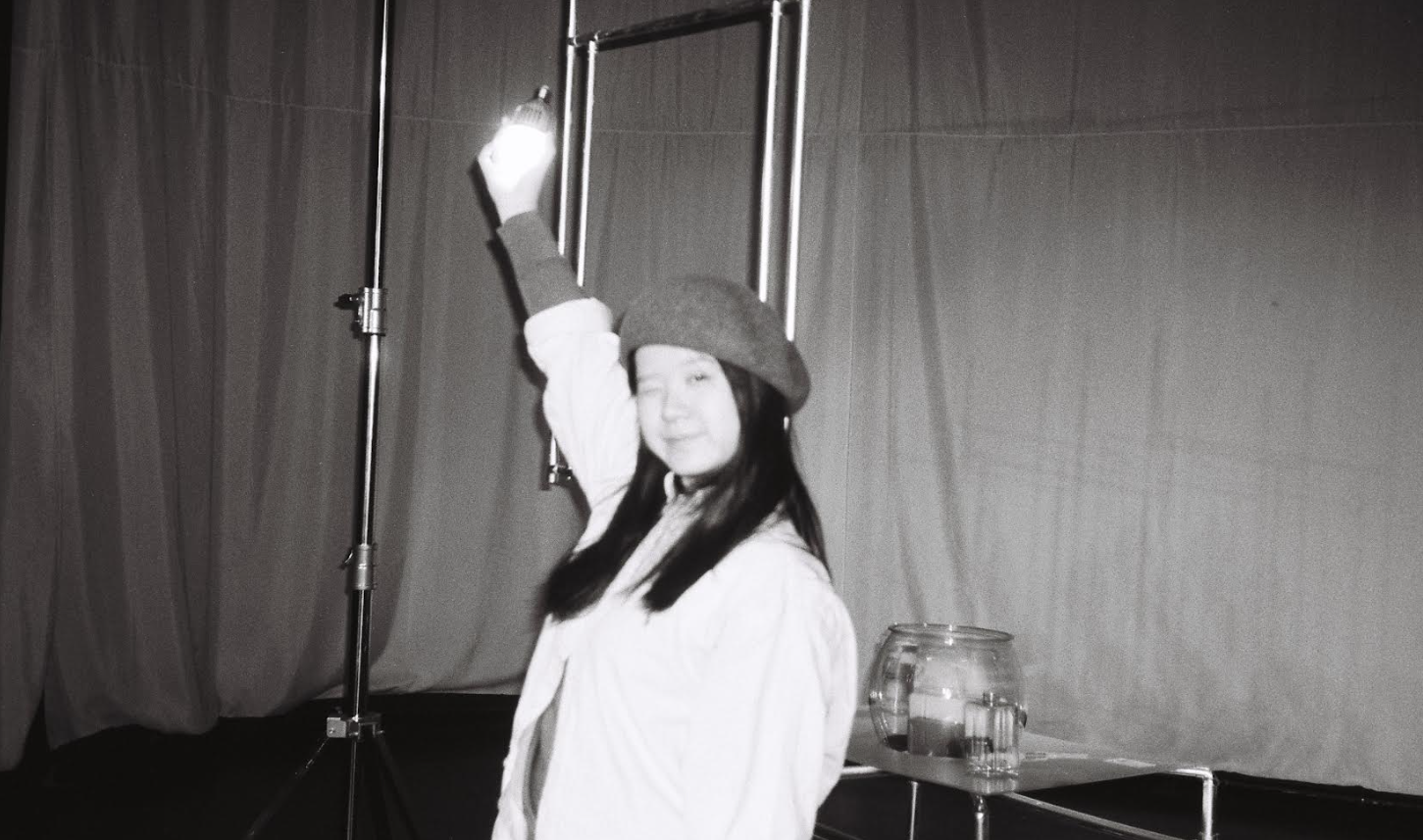
Date: 3rd / 4th August
Time: 13:00 / 19:00
Price: £14 Concession £12
Location: Etcetera Theatre
Ticket Link: https://camdenfringe.com/events/bathroom/
Tell us a little bit about your style of show?
In terms of its themes, this is a very emotional and sensitive piece of work. Within the performance, audiences may recognise reflections of many people living as outsiders or away from home. It does not rely on dramatic plot twists or intense storytelling, and it is not a light or easy watch after the performance ends. Instead, it is a more serious and reflective work that invites the audience to think.
Artistically, we will use multimedia and sound as important tools for expression, while also breaking the fourth wall through interactive performance in order to create a closer relationship between the audience and performers. Overall, it is a more experimental and non-traditional form of theatre.
What other acts are you looking forward to seeing at the fringe?
I’m especially looking forward to very small-scale and slightly experimental performances, such as solo pieces or minimalist theatre. Sometimes there may only be one or two performers on stage, but through sound, movement and the use of space, they are still able to create a complete sense of a world.
At the same time, I’m very drawn to works that feel emotionally delicate and closely connected to everyday life. I really like performances that may appear quiet on the surface, but are actually exploring very subtle relationships, emotional shifts, or fragments of memory underneath. They do not necessarily rely on strong dramatic conflict, but instead slowly build a genuine emotional impact through details, allowing the audience to gradually enter the inner world of the characters without even noticing.
Because our own work also focuses on struggles within intimate relationships and the shifting nature of identity, I’m particularly interested in seeing how other artists approach these kinds of ordinary yet deeply complex emotional experiences. For example, how they present emotional distance, misunderstanding within relationships, or the way identity constantly changes depending on different situations. I hope to discover different ways of expression through these works, both as inspiration and as a reference for our own creative process.
How are rehearsals going?
At the moment, we are still in the process of revising the script and looking for performers. Although there is still some time before rehearsals officially begin, we have been continuously refining the script because we really want to make it as polished as possible and bring it to a stage that we genuinely feel satisfied with. At the same time, we are also constantly exploring the boundaries of theatre and theatrical performance itself.
What is the best thing about performing at the Camden fringe?
I think the best thing about it is that it gives student creators like us a real opportunity to bring our work in front of an audience.
Because this is also our first time officially performing in the UK, the whole process feels very special to us. From writing the script at the very beginning, to building a team, and now gradually turning an idea into something that will actually happen on stage, it feels like we are finally becoming part of London’s theatre scene.
London can be an expensive place to perform in – what key advice would you give to performers that is a sort of life hack?
As a Chinese international student studying theatre in London, I feel that both time and money need to be carefully planned in advance.
For student theatre groups, set and stage design are often the most expensive parts of the production, especially when it comes to props with unusual sizes or specific technical requirements. The costs of making and transporting them are usually much higher than people expect. Because of this, we normally prepare a detailed budget early on and start thinking about costs from the very beginning of the design process, trying to create props that are both practical and cost-effective while still fitting the needs of the performance.
At the same time, we always believe that stage design should serve the script. Rather than simply chasing complicated or expensive visual effects, we prefer to focus more on the script and the performance itself, while keeping the stage design as minimal as possible so that our limited budget can be spent where it matters most.
For rehearsals, we also try our best to book rehearsal rooms at university whenever possible. Rehearsal spaces in London can actually be very expensive, so access to university facilities is a huge advantage for students and honestly one of the best ways to save money during the production process.
Who would be your ultimate dream audience member?
My ideal audience is both honest and rebellious. By “honest”, I mean I hope people respond to the work genuinely. If they like it, they like it. If they do not, they can leave their seat, criticise us on social media, praise us, or even stay after the performance and argue with me about it.
Rather than having fixed expectations of the audience, what I really hope is that the work can create some kind of emotional connection or reflection. In other words, if the audience simply walks out of the theatre in silence with no reaction or emotion after the performance ends, I would honestly feel very ashamed.
The iconic image of the Camden Fringe is the Pigeon – if you could call this years pigeon a name to represent its style what would it be and why?
I would probably name this year’s pigeon “Stage Wanderer”.
To me, it does not feel like just another pigeon in the city. It feels more like a presence constantly searching for a stage somewhere in London. It moves between theatres, rehearsal rooms and crowds of people, sometimes looking slightly chaotic, but always carrying a strong sense of direction. In many ways, it reminds me of those of us studying theatre in London, always holding onto a deep longing and dependence on the stage.
For me, Camden Fringe has always felt like a very free and lively space. Every young creator has the chance to put their work on stage. You do not need a huge budget or complicated stage design. As long as you have the desire to express something, that alone can become a real theatrical experience.
This pigeon also feels connected to that spirit. It stands outside theatre doors and passes through streets after rehearsals have finished, almost as if it is witnessing the birth and ending of one performance after another. It appears light and slightly tired at the same time, but the way it constantly moves towards the stage carries a genuine love for theatre.
That is why I would call it “Stage Wanderer”. It is both a wanderer moving through the city and a quiet observer forever searching for the next performance.
If people want to find out more about you, where can they follow you on social media?
You can also follow our theatre company’s Instagram account, where we share detailed introductions to the company, our members, and the works I direct, as well as theatre-related insights and updates on our future projects.
And Finally in three words – Why should people come and see the show?
Gender Love Critique






Leave a Reply