
It is festival season and that means that in the next month there is so many great comedy festivals to look forward to! This month we are looking at some of the great shows that you can see at the Edinburgh Fringe. So take note because we are going to give you all the information you need for just a handful of some of the great shows happening this year!
Fuselage
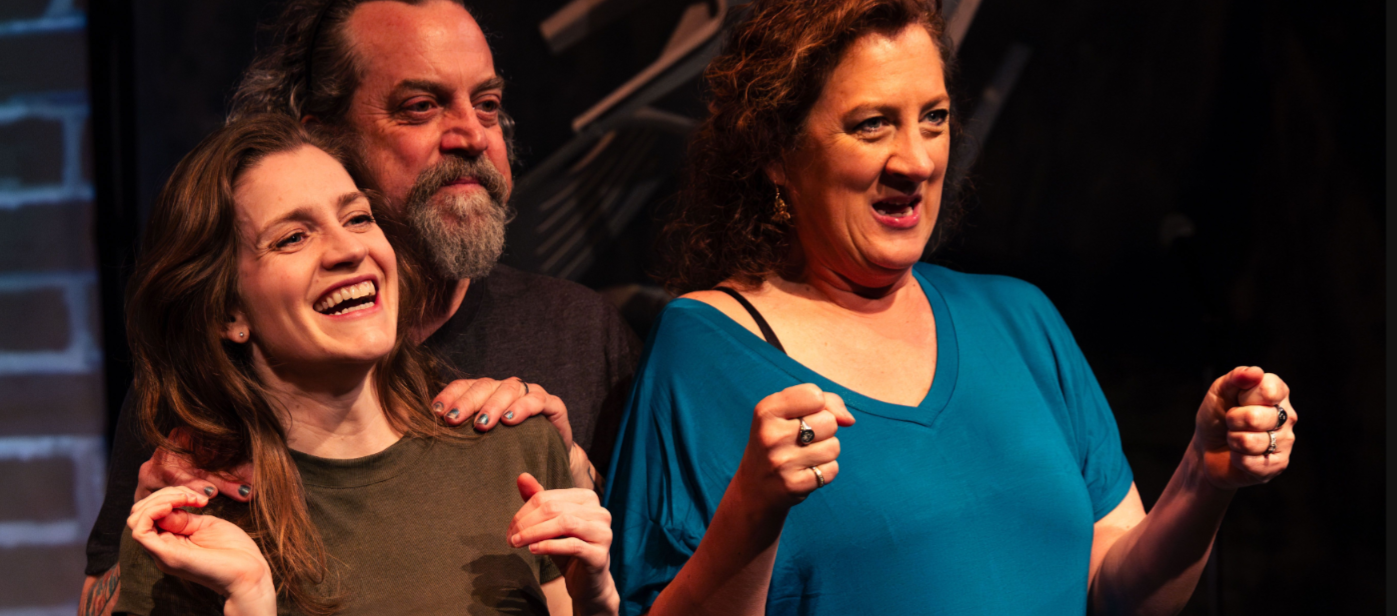
Location: Aboveat Pleasance Courtyard (Venue 33)
Dates: Jul 30th -12th, 14th-18th, 20th-24th
Time: 15:45
Price: £15 Concessions £14
Ticket Link: https://www.edfringe.com/tickets/whats-on/fuselage
Hello! Tell us about yourself?
I’ve spent the past three decades making theatre in Seattle and around the country, wearing just about every hat you can imagine. Most recently I served as the Artistic Director Seattle Public Theater for eight seasons, a stretch that culminated in the company receiving the 2018 Gregory Award for Theatre of the Year. Before that I held the reins as interim artistic director at ArtsWest, and long before spreadsheets and staff meetings, I was touring the world doing improv in spots as varied as Orlando, New York, Amsterdam, and even New Zealand.
Onstage, I’ve had the good fortune to dig into roles I love—Mistress Ford in Seattle Shakespeare’s Merry Wives of Windsor, Elizabeth in Richard III, Antonia in My Antonia, Maggie in Plainsong, and Nadia in The Vertical Hour (I still miss that character’s bite). As a director, my work has landed everywhere from the Kennedy Center to ACT Theatre to Seattle Shakes, with plenty of stops at Book‑It Rep, Seattle Public Theater, and a handful of adventurous fringe spaces along the way.
I’m also a lifelong writer and adapter—twenty‑plus novels (and counting) have found their way to the stage through my adaptations.. The current project closest to my heart is of course, Fuselage, a three person show drawn from my memoir, premiereing in Seattle at the Edinburgh Fringe this summer.
Education‑wise, I earned a BFA in Acting and Directing from Syracuse University and an M.Ed. in Arts Education from Harvard, and I’ll add an MFA in Creative Writing from Cedar Crest College in 2025—because apparently I can’t resist a good syllabus.
In short: I tell stories, whether that means acting them, directing them, adapting them, or writing them from scratch—and I’m always hunting for the next stage to light up.
Tell us all about your show!
Fuselage is the story I never thought I’d have the courage—or distance—to tell onstage. In December 1988, I stood on the stoop of our flat waving goodbye to several classmates, including my best friend Theodora Cohen. They boarded Pan Am Flight 103; I stayed behind because I couldn’t afford the ticket change. Hours later the plane exploded over Lockerbie, Scotland. What followed—panic attacks that seemed to predict the tragedy, relentless media scrutiny, and a grief so isolating it felt like its own country—became the raw material I’m finally ready to shape into theatre.
The play unfolds with a nimble three‑person ensemble who slip between nineteen‑year‑old me, my giddy band of study‑abroad friends, and the Lockerbie locals—specifically one remarkable eighteen‑year‑old constable, Colin Dorrance—who carried the weight of that night in ways the world rarely sees. Humor threads through the piece (my survivors’ instinct), but so does the brutal honesty of guilt and loss. Together we map the shock waves: from prophetic nightmares of falling planes to the moment molten metal rained on a Scottish hillside, and the stubborn, complicated hope that surfaces when strangers share their stories.
At its heart, Fuselage is a love letter to precarious, ordinary days—and to the people who fill them. It’s part memoir, part collective ritual, and entirely dedicated to remembering how fiercely life asks us to stay awake to one another.
How did you come up with the name of your show that your taking to the fringe?
I landed on FUSELAGE because the word does double duty. In aviation, the fuselage is the plane’s core—the section that carries the crew, the passengers, all the baggage both literal and figurative.
That physical shell became a perfect metaphor for the human body: we’re all walking hulls that store trauma, joy, grief, and a surprising amount of resilience. My play holds those same layers—grappling with the wreckage of Pan Am 103 while celebrating the lives and love packed inside it—so the title felt like the clearest one‑word invitation into the story.
What other acts are you looking forward to seeing at the fringe?
I’m biased, but my first must‑see is always my husband’s high‑voltage, family‑friendly science comedy, Doktor Kaboom! No matter how many times I’ve watched him set off a ping‑pong ball cannon or light up a Van de Graaff, the gasp‑to‑giggle ratio in the audience never gets old—kids literally levitate with joy.
I’m also thrilled that Tape Face (an old festival acquatiance Lee Martin) is back this year. His brand of silent mischief can turn the simplest prop—a piece of duct tape, a plunger—into comic gold, and I love watching a packed house surrender to pure, wordless laughter.
On the street‑theatre side, I’ll be tracking down two of the Royal Mile’s biggest draws: Pete Anderson’s “Unstable Acts” (you’ve never seen juggling look so precarious) and Hazel Anderson’s “Able Mable,” whose quick wit and crowd work are Fringe legends in their own right. If you hear roars of applause echoing down the cobblestones, it’s probably one of them.
When the flyers and fireworks get overwhelming, I sneak over to the Book Festival to catch an author talk or lose myself in the shop’s maze of new releases—writer catnip. And, honestly, some of the best “shows” happen back at our shared student flat: artists from every corner of the globe swapping last‑night‑went‑great stories over morning coffee or uncorking a bottle of red after midnight. Those informal salons keep me inspired long after the lights come down.
Have you done the fringe before? What are the key pieces of advice you have been given or would give to new groups or people performing at the fringe.
This will be my first time onstage at the Fringe, but I’ve spent the past two summers in the trenches as “chief roadie” for my husband, David Epley—better known as Doktor Kaboom. Before that, my calendar was full of comedy‑improv festivals, so I’ve logged plenty of long‑haul, multiple‑show‑per‑day marathons.
Here’s the best advice I’ve collected (and intend to follow):
- Protect the machine. Twenty‑plus consecutive performances is a glorious grind. Hydrate like it’s a sport, feed yourself real food, and schedule actual sleep. Your voice, brain, and mood will thank you on Day 24.
- Pace yourself. Yes, the programme is a plethora of must‑see shows, but sprinting from venue to venue on four hours’ rest will flatten your own performance. Pick a few “non‑negotiables,” leave room for happy accidents, and then call it good.
- Say yes to serendipity. Duck into something you’ve never heard of, or accept that late‑night invite for a pint with a juggler from Lisbon and a playwright from Seoul. Half the Fringe magic happens in the gaps between shows.
- Remember where you are. Edinburgh itself is spectacular. Carve out an afternoon to wander the closes, climb Arthur’s Seat, or escape to the countryside for a breath of green. Refilling the creative well beats another doom‑scroll through your ticket sales app.
- Eat well. It’s tempting to live on crisps and caffeine, but this city is packed with world‑class food. A proper meal can be the day’s best warm‑up.
Follow those, and you’ll finish the month tired—but the good kind of tired that means you wrung every bit of marrow out of the Fringe.
Talk us through your daily routine for a day at the Fringe
Most days start slow—one of the luxuries of a 15:45 slot at Pleasance Above. I imagine I will shuffle into the kitchen early, coaxing industrial‑strength coffee from a temperamental French press, and swap stories with whatever flat‑mate wanderers appear. Plans get hatched, ticket swaps negotiated, and we all pretend we’re going to flyer for longer than we probably will. Once the caffeine’s doing its job, I crack open the laptop for a couple of hours of remote work back in the States—spreadsheet reality before the emotional roller‑coaster of Fuselage.
Around midday it is likely that I will shake off the screen haze with a quick workoutor a yoga video that promises “gentle” but, at my age, still finds new muscles. Lunch is something virtuous—protein, greens, nothing that might stage a rebellion mid‑monologue. Then it’s time to wander over to the Pleasance, find my castmates, run a few vocal warm‑ups, and remind ourselves why we’re diving into this story yet again. The show itself feels like stepping into a wind tunnel; seventy minutes later we stagger out, equal parts drained and buzzing.
First instinct after curtain is hydration—sometimes sparkling water, sometimes something a bit stronger—while we dissect every laugh, tear, and tech wobble. By evening, I crave something lighter, so I’ll slip into whatever comedy gig is closest and cheapest, let someone else handle the punch‑lines. Eventually we all drift back to the flat, re‑heat leftovers or improvise a group dinner, share the day’s best Fringe oddities over a glass of wine, then crash—hoping tomorrow’s audience is as generous and the coffee machine doesn’t revolt.
Best thing about performing at the fringe?
For me, the best part of performing at the Fringe is the chance to share Fuselage with audiences who feel an immediate, living connection to the story. Telling it in Scotland—so close to Lockerbie and among Scottish friends I’ve met over the years—means the room already understands the weight of Pan Am 103 in a way that can get blurred back home, where other tragedies have crowded the headlines.
Add to that the electric buzz of the world’s biggest arts festival and the constant hum of like‑minded artists swapping ideas over coffee or a glass of wine, and it’s hard to imagine a more inspiring place to pour my heart out onstage.
What would be your top three items every performer must take to the fringe?
At my age:
- A good pair of walking shoes
- Ibuprohen
- Muscle relaxing cream
what’s the secret to successful flyering?
At my age, my body would not survive flyering and doing the show every day. So I hire someone to flyer most of the time and a cracker jack Press team. It costs less then a knee or hip replacement after the fact.
If people want to find out more about you where can they follow you on social media?
The easiest way to keep up with me—and with Fuselage—is online:
- Website: annielareau.com/fuselage (show info, press, ticket links, the works)
- Facebook: facebook.com/FuselageByAnnieLareau
- Instagram: @fuselage_play
And Finally in three words – Why should people come and see the show?
Love outlives tragedy
Thank you again for all your support in reading and engaging with the website.
If you want to help support the website then you can! You can buy Holly a cup of tea (and a biscuit!)
Categories: Edinburgh Festival Fringe 2025, edinburgh fringe, Interview, Theatre


 Welcome to The Phoenix Remix