
We sent our reviewer Damian to see the play Woodhill
I have not seen a verbatim play before, and it took me a little while to settle into what was happening. I wanted to review Woodhill as it was recommended to me by someone who has been through the justice system themselves, and because I am broadening my experience of the arts (not being very literary myself). I think that background is an important caveat for the reader!
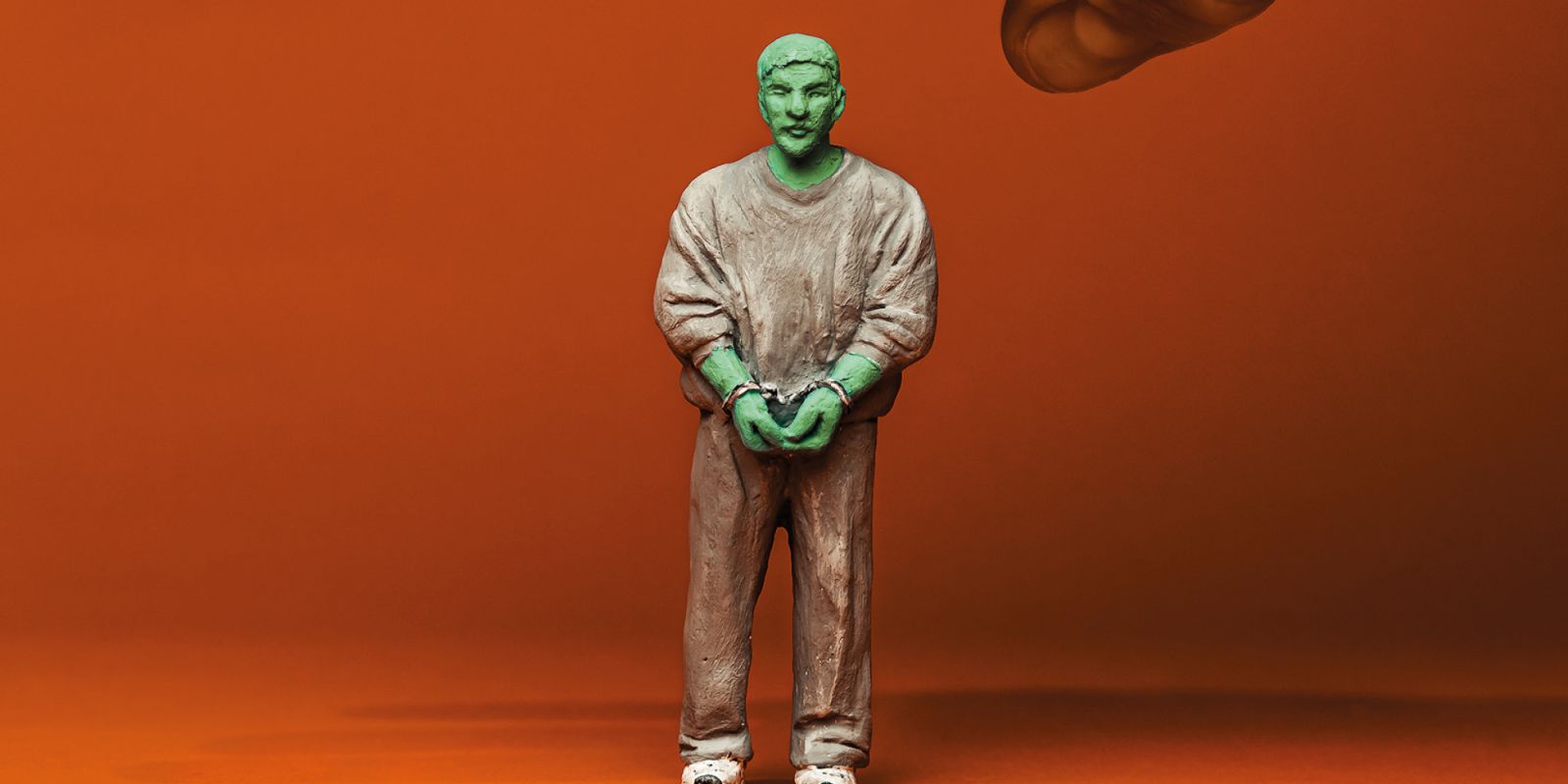
This show is about the UK prison system, the lives and deaths of prisoners, and is told using the words of those seeking justice for them. As the auditorium fills, three performers are on stage wearing everyday clothes, in a warehouse, exhaustedly shifting cardboard boxes. Dark ambient music matches the mist and dim lighting. The only speech we will hear is pre-recorded, voiced by actors, but taken directly from interviews with families of prisoners, staff, judges, and locals.
Gradually I realise that as we hear descriptions of three different men who died at Woodhill, each of the three performers represents one of their families or relatives. It made sense once I got it, but took me a little while. As they advertise, it’s predominantly a theatrical performance – this isn’t ballet or a contemporary dance show – dance/movement (while skilled and well choreographed) is used as a powerful rendering of the emotions behind the familial testimony, or a visceral reaction to drier, analytical statements.We learn from the families, about their struggles with poverty, care, mental health and, most importantly (as it’s so often missed by politicians and the press) the fact that all of these are human beings.
The play progresses from the backgrounds of the three men, through incarceration and to their deaths in the prison. It then moves on to the broader issues.We hear about the local reaction to the prison being built, the boredom and frustration of prison officers, the effects of careless underfunding – for example of a prisoner with a mental age of 7 who used to be provided with colouring books until these were withdrawn. Prisons run as businesses. The revolving door with homelessness, poverty, drug use and prison.
There is a costume change and we hear from inquests into these specific deaths and inquiries into the broader prison system. Why were warning signs missed? How could a system allow pregnant prisoners to give birth unaided alone in a cell? How do drugs get in?Throughout the whole play a mysterious fourth figure (Ghost) appears and disappears, representing others who have died, or the System itself – I think. This character (as all the others) was played brilliantly, acting, moving, dancing. I didn’t find it very clear what their role was, as they often appeared just for a name to be announced – a programme may have helped, so you may want to read their website before going.
The lighting, set, sound design, choreography were all excellent. The message of the play is devastating, potent, and important.
There were a couple of moments where I suffered from confusion, or felt a section went on a little too long, though. Only because of that, I struggled with whether this was a 4 or 5 star show. When I burst into tears at the end (and the next day, writing this), I knew the answer.
***** 5 Stars
Categories: edinburgh fringe, Edinburgh Fringe Festival 2023, Review, Theatre


 Welcome to The Phoenix Remix